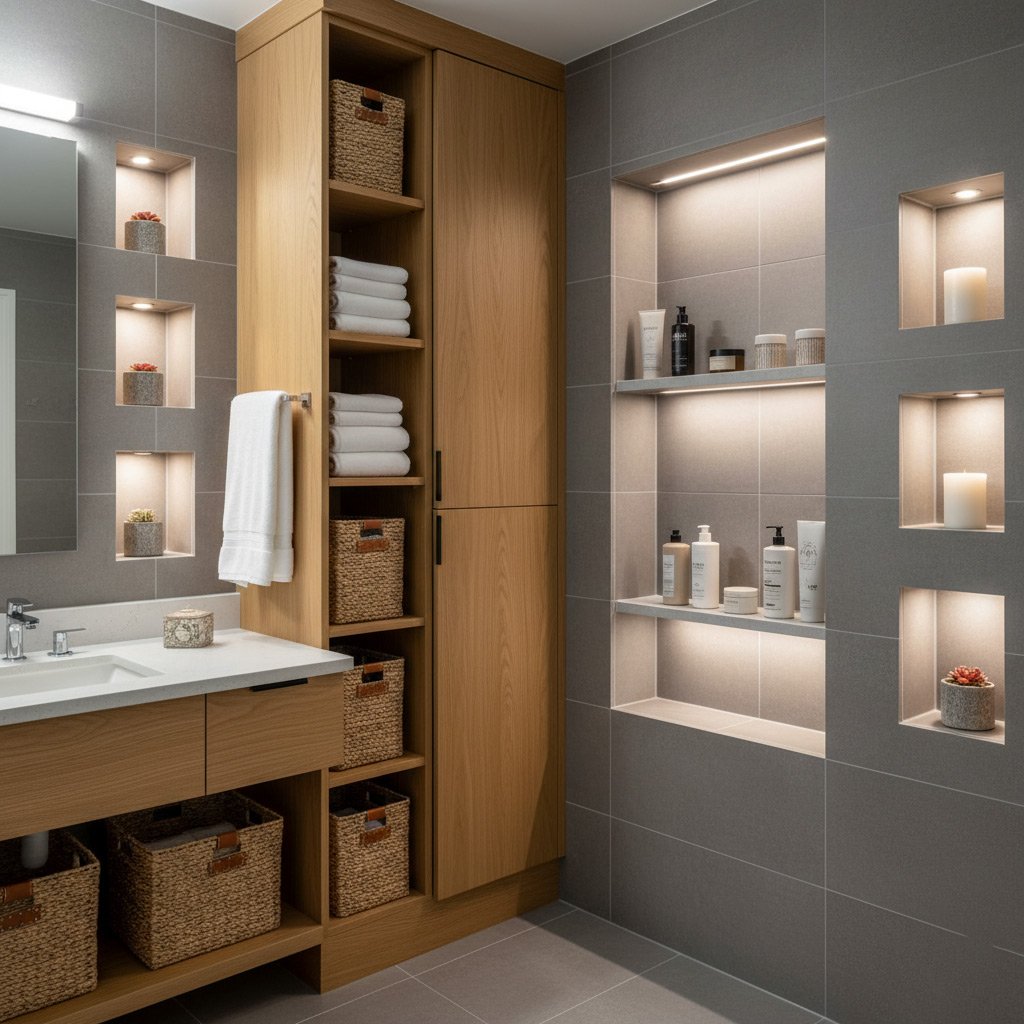
Picture this: you step into a tub that hugs you like a warm embrace, the water cradles every inch, and you never have to worry about slipping on a slick edge. That’s the promise of a walk‑in tub, and it’s a game‑changer for anyone who calls Pasadena home.
Beyond the luxury factor, these tubs solve real problems—easy access for seniors, a safe haven after a long day, and a sleek upgrade that adds serious resale value. And because Pasadena’s style leans toward classic charm with a modern twist, the right model can blend right in without looking out of place.
Most people think they need a massive remodel or a sky‑high budget, but the truth is far simpler. From water pressure quirks to choosing the perfect jet layout, the details matter, and getting them right means you’ll love your bathroom for years to come.
Ready to separate myth from fact and discover the exact steps that turn a plain bathroom into a personal retreat? Keep reading and we’ll walk you through every decision, so you can pick the perfect walk‑in tub for your Pasadena oasis.
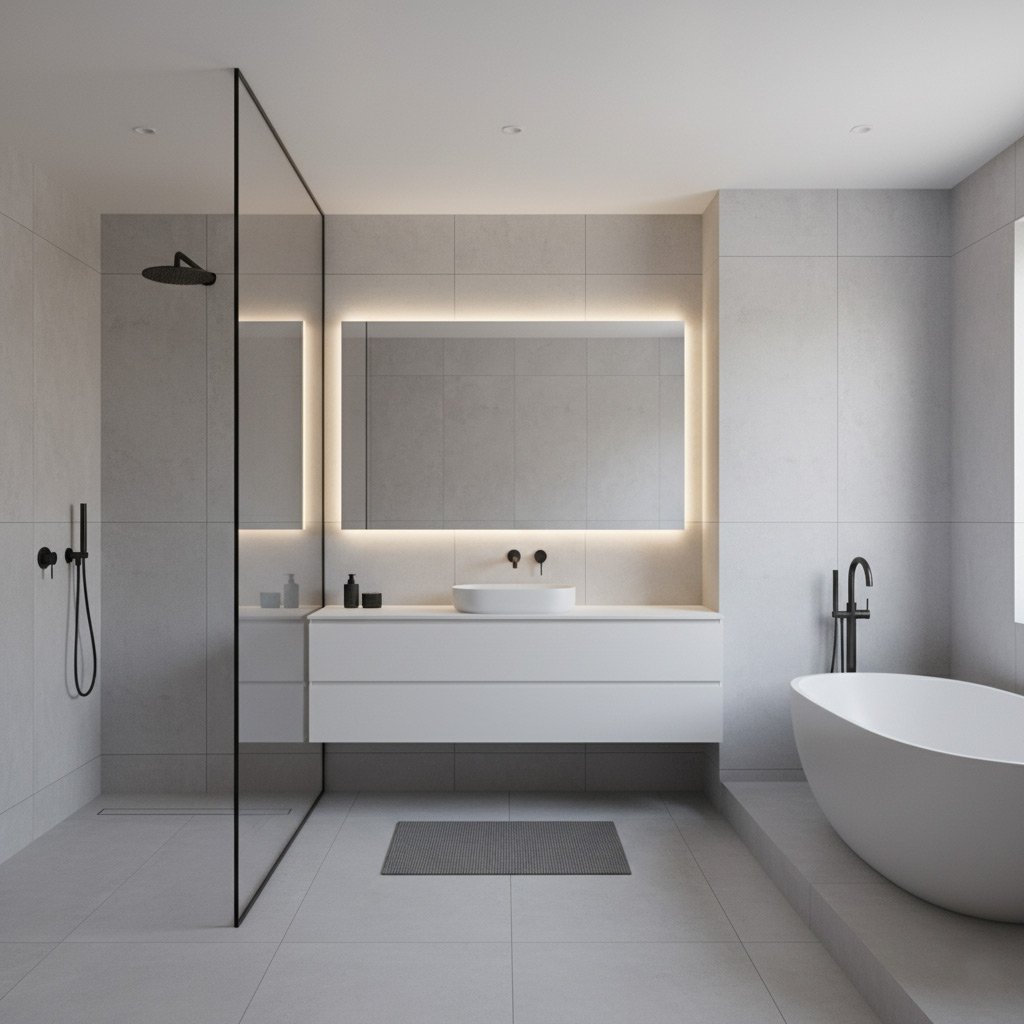
Understanding Walk‑In Tub Basics: Types, Features, and How They Work
First off, a walk‑in tub isn’t just a bigger bathtub. It’s a low‑threshold chamber that opens with a door, letting you step in without the classic “climb‑in” maneuver. Think of it as a spa‑grade soaking box that fits inside a regular bathroom footprint. The core idea is safety and comfort, but the tech behind it can surprise even seasoned remodelers.
Types of Walk‑In Tubs
- Standard entry – a single door that swings or slides, perfect for most homes.
- Low‑step models – a shallow lip that reduces the step height to an inch or two.
- Therapeutic tubs – built‑in jets, air‑massage, and sometimes a built‑in seat.
- Custom‑fit units – fabricated to match historic or oddly shaped Pasadena bathrooms.
Each type has a price point and a set of trade‑offs. A standard entry is the most budget‑friendly, while therapeutic models add a spa vibe but require more plumbing work. Custom units can preserve a Craftsman‑era look without sacrificing modern safety.
Key Features & How They Operate
- Door mechanism: hydraulic or pneumatic hinges that seal the tub and keep water out.
- Jet configuration: adjustable nozzles that target the back, shoulders, or calves.
- Heated backrests and floor panels for year‑round comfort.
- Control panels – either wall‑mounted or handheld, some even sync with smartphones.
When you press the “fill” button, a pump pushes water through the jets while a separate valve opens the door seal. The system monitors water level, temperature, and pressure, then shuts off automatically if anything goes off‑track. That safety net is why many Pasadena seniors feel at ease stepping into a walk‑in tub for the first time.
Assessing Your Bathroom Space and Structural Requirements in Pasadena Homes
Measure the Footprint
Start by pulling a tape measure and sketching the existing layout on graph paper. Note the distance from the vanity to the nearest wall, the height of the ceiling, and any obstacles like radiators or built‑in shelves. Every inch counts when a walk‑in tub will occupy a larger footprint than a standard tub.
Check the Load‑Bearing Capacity
Walk‑in tubs can weigh up to 1,200 lb when filled, so your floor must be up to the task. Have a structural engineer or a qualified contractor inspect the joists beneath the bathroom; they’ll look for sagging, spacing, and the type of wood used.
- Typical 2×10 joists on a 16‑inch span handle the load in most newer homes.
- Older Pasadena craftsman houses may need sistering or a steel reinforcement plate.
- Don’t forget the subfloor—plywood should be at least ¾‑inch thick.
Plumbing and Drainage Clearances
Locate the main waste line and ensure there’s enough room for a larger drain pipe. In many Pasadena homes, the existing trap is too small, requiring an upgrade to a 2‑inch PVC line. Plan for a few extra feet of pipe so the installer can route it without cramming.
Door Swing and Accessibility
The tub’s door needs a clear swing path of at least 36 inches. Measure from the door edge to any fixed fixtures; a tight squeeze can turn a luxury feature into a daily frustration. If the swing conflicts with a window, consider a sliding or bi‑fold door option.
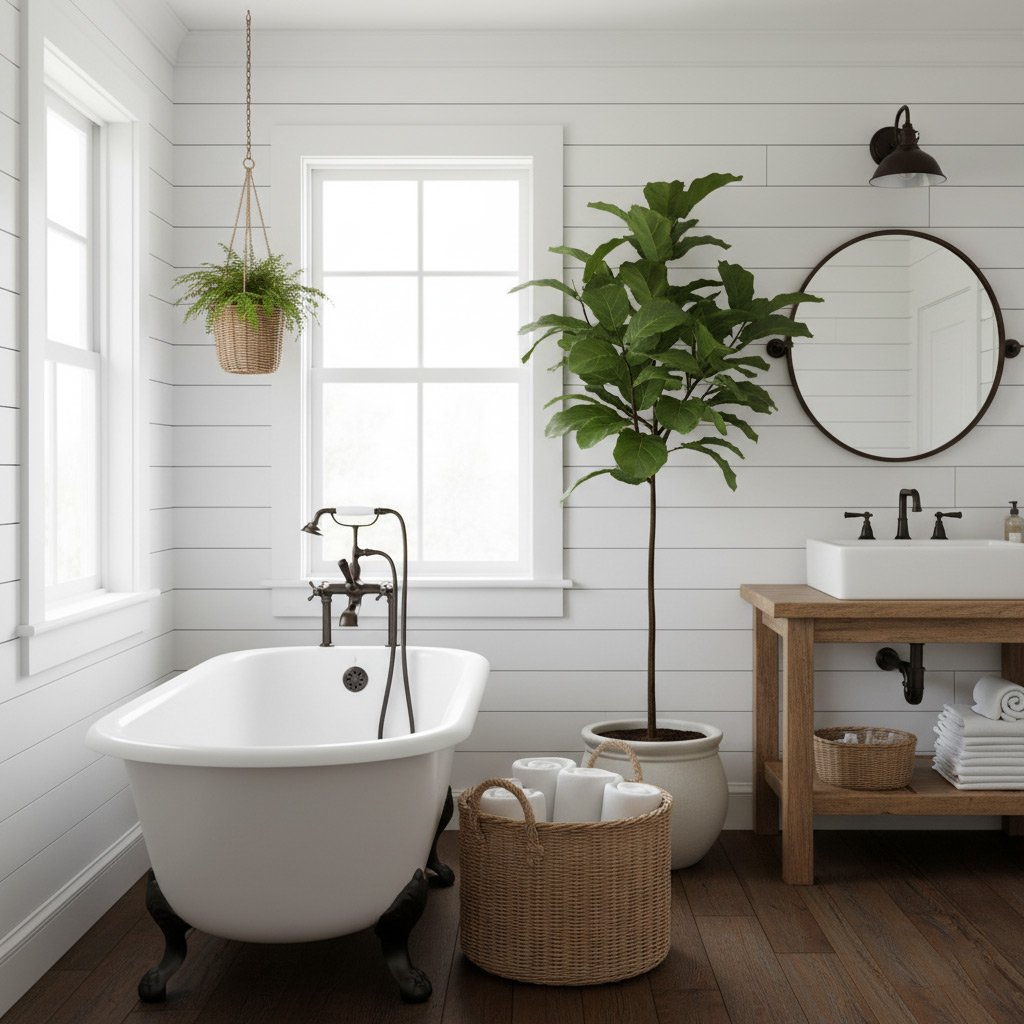
Choosing the Right Size, Door Mechanism, and Jet Configuration for Your Lifestyle
Size Matters
Measure the floor space before you fall in love with a model. A standard walk‑in tub runs about 60‑inch wide, but a compact 48‑inch version can fit a modest Pasadena bathroom without crowding the vanity. Leave at least 24 inches of clearance on each side so you can move around comfortably.
Door Mechanisms
There are three main door styles: swing, sliding, and low‑threshold. Swing doors feel like a traditional tub entry, but they need extra clearance. Sliding doors save space and are great for tight corners, while low‑threshold doors eliminate the step‑up entirely—perfect for seniors.
- Swing: Classic look, requires 30‑inch swing radius.
- Sliding: Space‑saving, smooth glide, minimal hardware.
- Low‑threshold: Zero step, best for accessibility.
Jet Configuration
Jets aren’t one‑size‑fits‑all; they’re a personal massage menu. Decide if you want a full‑body soak, targeted lumbar relief, or a gentle foot massage. Most manufacturers let you pick between 12, 24, or 36 jets, each with adjustable pressure.
- 12 jets: Light, relaxing, low power draw.
- 24 jets: Balanced coverage, ideal for couples.
- 36 jets: Full immersion, spa‑level experience.
Local Building Codes, Water Pressure, and Installation Costs in Pasadena
What Pasadena’s Building Dept Wants
Before you order that sleek tub, the city will ask for a permit. Permits aren’t optional—they protect you from fines and future resale headaches. The inspector will check clearances, floor load, and the waterproofing membrane.
- Minimum 36‑inch clearance from the tub to any fixed fixture.
- Floor joists must support an extra 150 lb per square foot.
- All electrical components need a GFCI‑protected circuit.
Water Pressure Realities
Pasadena’s older homes often have 40‑psi pressure, while a premium walk‑in tub craves 60‑psi for full jet performance. Don’t guess—measure with a simple gauge before you sign the contract.
- If pressure is low, a booster pump adds $800‑$1,200.
- High pressure? Install a pressure‑reducing valve to protect the tub’s internal plumbing.
- Check the municipal water‑heater capacity; a 50‑gal tank may struggle with a large tub.
Budgeting the Install
Installation costs vary, but most Pasadena projects land between $4,500 and $9,000. That range covers demolition, framing, plumbing, and the final finish work.
- Basic model + standard install: $4,500‑$6,000.
- Custom jet layout + premium finishes: $7,000‑$9,000.
- Don’t forget permits ($150‑$300) and a contingency fund (10% of total).
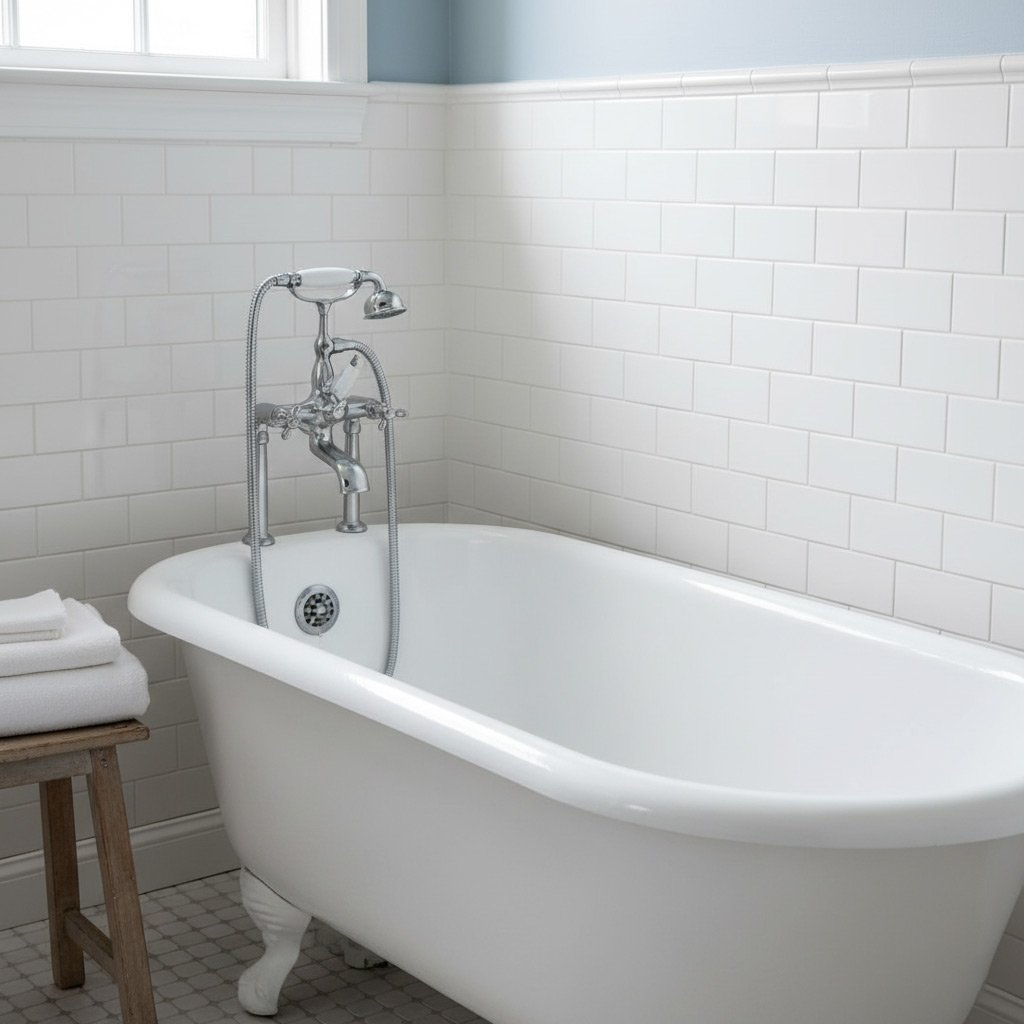
Enhancing Comfort: Heating, Lighting, and Smart Controls for a Spa‑Like Experience
Warmth that Sticks
Pasadena winters can sneak into the bathroom, so a built‑in heater is a game‑changer. Thermostatically‑controlled hydro‑heaters keep the water at your chosen temperature for hours, even after you step out.
Look for models with quick‑heat technology – they raise the water from 70°F to 100°F in under five minutes. That means no waiting, no wasted energy.
- Electric radiant panels – silent, low‑maintenance.
- Hydronic coil systems – perfect for homes with existing boiler lines.
- Dual‑zone heaters – let you set a different temperature for the tub and the surrounding floor.
Light that Sets the Mood
Good lighting does more than banish shadows; it turns a routine soak into a ritual. LED strips tucked behind the tub’s lip create a soft glow that never burns out.
Choose color‑changing units with a remote or smartphone app. One tap, and you’re bathing in sunrise amber or midnight blue.
- Water‑proof, dimmable LEDs – safe and versatile.
- Motion‑sensing night lights – guide you in low‑light conditions.
- Integrated vanity lighting – eliminates the need for extra fixtures.
Brains Behind the Bubbles
Smart controls let you command the tub without leaving the comfort of the water. A wall‑mounted touchscreen or voice‑assistant integration can adjust jets, temperature, and lighting in seconds.
Many systems also track water usage, alert you to filter changes, and even schedule cleaning cycles. That data saves you cash and keeps the tub performing like new.
- Wi‑Fi enabled control panels – work with Alexa, Google Home, or Apple HomeKit.
- Pre‑programmed “Massage” modes – set the intensity, direction, and duration.
- Remote diagnostics – a technician can troubleshoot without stepping foot in your home.
Case Study: Transforming a Historic Pasadena Bathroom with a Custom Walk‑In Tub
The Challenge
When the owners of a 1925 Craftsman bungalow called, they feared the original claw‑foot tub was a deal‑breaker for modern living. The bathroom was cramped, the tile was cracked, and the low step was a safety nightmare for the couple’s aging parents. They wanted a solution that honored the home’s vintage charm without turning the space into a construction site.
The Solution
We introduced a custom‑fabricated acrylic walk‑in tub that fit the existing footprint but added a low‑profile door and a built‑in seat. The design blended seamlessly with the original woodwork, and we matched the historic tile using a reclaimed‑look porcelain. Key features included:
- Hydro‑massage jets positioned for the lower back and shoulders.
- Thermostatic water control for a steady, soothing temperature.
- LED accent lighting hidden behind a brushed‑nickel trim.
Installation required minimal framing changes, so the structural integrity of the period home stayed intact. The tub’s sleek silhouette actually highlighted the original crown molding rather than hiding it.
The Payoff
After the remodel, the homeowners reported a 30‑second drop‑in time and a “spa‑like” experience that rivals any high‑end resort. The property’s appraisal jumped $45,000, proving that a well‑chosen walk‑in tub can be a smart investment. Neighbors now ask for the contractor’s name, and the couple enjoys a safe, luxurious retreat that respects their home’s history.
Final Words
Next Move
Now that you’ve seen the options, the smartest step is to schedule a free on‑site consultation. A local pro will measure, check floor load, and walk you through the jet layouts that match your daily routine.
During the visit ask for a written estimate that breaks down:
- Tub model and finish
- Door mechanism (hinged, sliding, or pocket)
- Installation labor and any required structural work
Keep It Running Smooth
After the tub is in place, a few habits keep it humming for years:
- Wipe down the surface after each use to prevent soap scum buildup.
- Run the jets on a low cycle once a month to circulate water and avoid stagnation.
- Schedule a professional check‑up every 12‑18 months; most manufacturers require it for warranty compliance.
Ready to Dive In?
If you’re itching to start, explore our full range of options in the Walk In Tub section. From classic porcelain to sleek acrylic, we’ve got the perfect fit for any Pasadena home.
People Also Ask
What are the main types of walk‑in tubs available for Pasadena homes?
There are three primary styles: traditional acrylic tubs with a low step‑in threshold, low‑profile tubs that sit closer to the floor, and luxury spa‑like models with built‑in jets and heated seats. Each type offers different accessibility and comfort features to suit various bathroom layouts.How do I determine the right size and door mechanism for my Pasadena bathroom?
Measure the clear floor space, ceiling height, and door swing clearance, then compare those dimensions to the tub’s specifications. Most homeowners choose a tub with a 30‑inch door opening and a low‑threshold design for easy entry, while larger families may opt for a wider door and a side‑hinged or swing‑away mechanism.Do walk‑in tubs meet Pasadena’s building codes and water‑pressure requirements?
Yes, walk‑in tubs must comply with the California Plumbing Code and local Pasadena ordinances, which include proper venting, drainage, and load‑bearing standards. A qualified installer will test water pressure and ensure the plumbing can support the tub’s fill rate without compromising performance.What additional features can turn a walk‑in tub into a spa‑like retreat?
Consider heated backrests, chromotherapy lighting, and digital control panels that let you adjust jet pressure, temperature, and massage cycles. Adding a built‑in sound system or Bluetooth speaker can further enhance the relaxation experience.How much does it typically cost to install a custom walk‑in tub in a historic Pasadena bathroom?
Installation costs range from $7,000 to $12,000, depending on tub size, customization options, and any structural modifications needed for older homes. Historic properties may require extra framing or reinforcement, which can increase labor expenses but also add lasting value.
Pasadena Bathroom Remodel specializes in high-quality bathroom renovations, bringing over 15 years of craftsmanship to homes throughout Pasadena. Their team combines local knowledge with a commitment to detail, ensuring each project reflects the unique style of the community. With a reputation for reliable service and personalized design, they transform spaces into functional, elegant retreats.
Need Bathroom Remodel?
We revitalize bathrooms in Pasadena and surrounding communities, delivering high‑quality remodels on a fast timeline (91101, 91103, 91104, 91001, 91201). Our focused process gets your space ready for daily use in weeks, not months.
Get Bathroom Quote