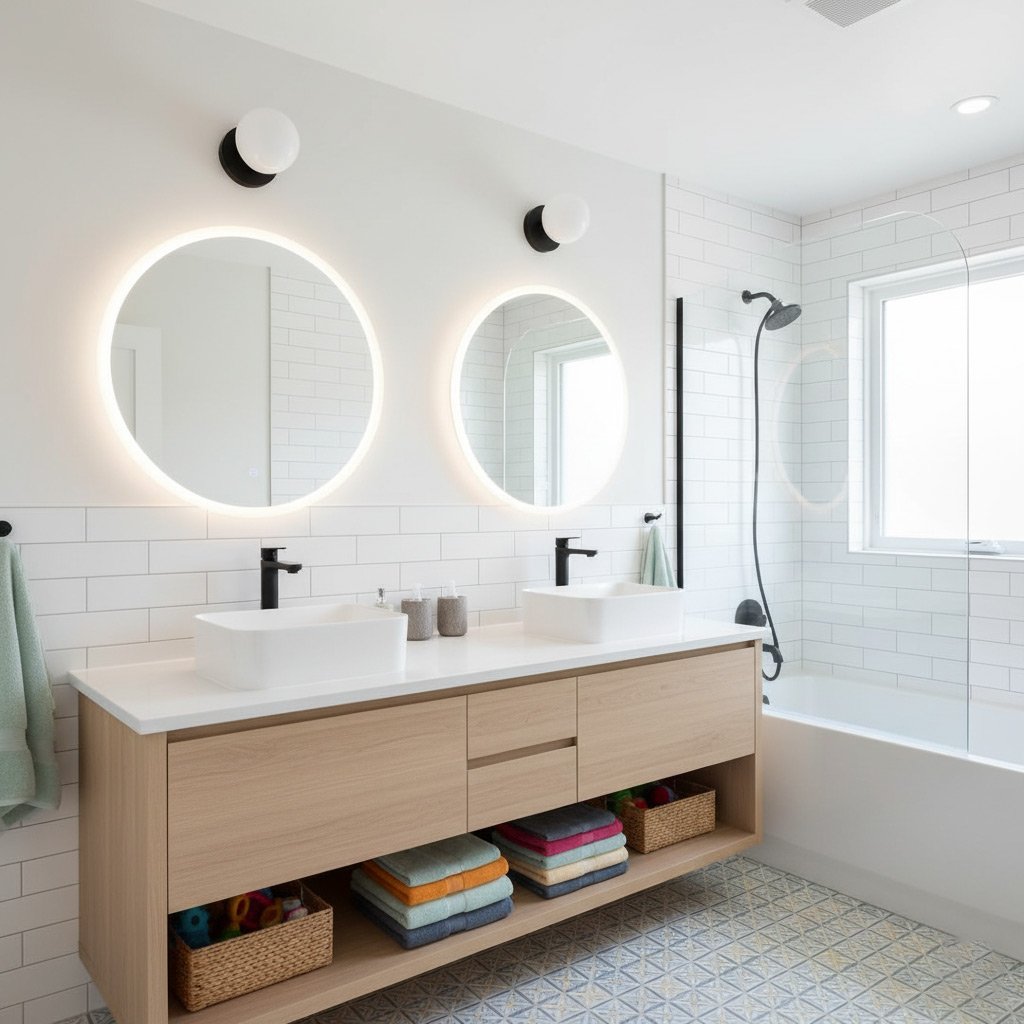
Picture this: you walk into a brand‑new shower in your Pasadena home and the water hits you like a perfectly timed high‑five. No leaks, no cheap tiles, just the kind of upgrade that makes your neighbors stare.
Most homeowners think the biggest surprise is the price tag, but the real curveball is the local code quirks, water‑pressure tricks, and the hidden cost of a rushed install. Ignoring those details can turn a dream bathroom into a costly nightmare.
Stick around and you’ll learn the exact questions to ask your contractor, the smart material choices for our climate, and the secret checklist that keeps your project on track and your budget intact.
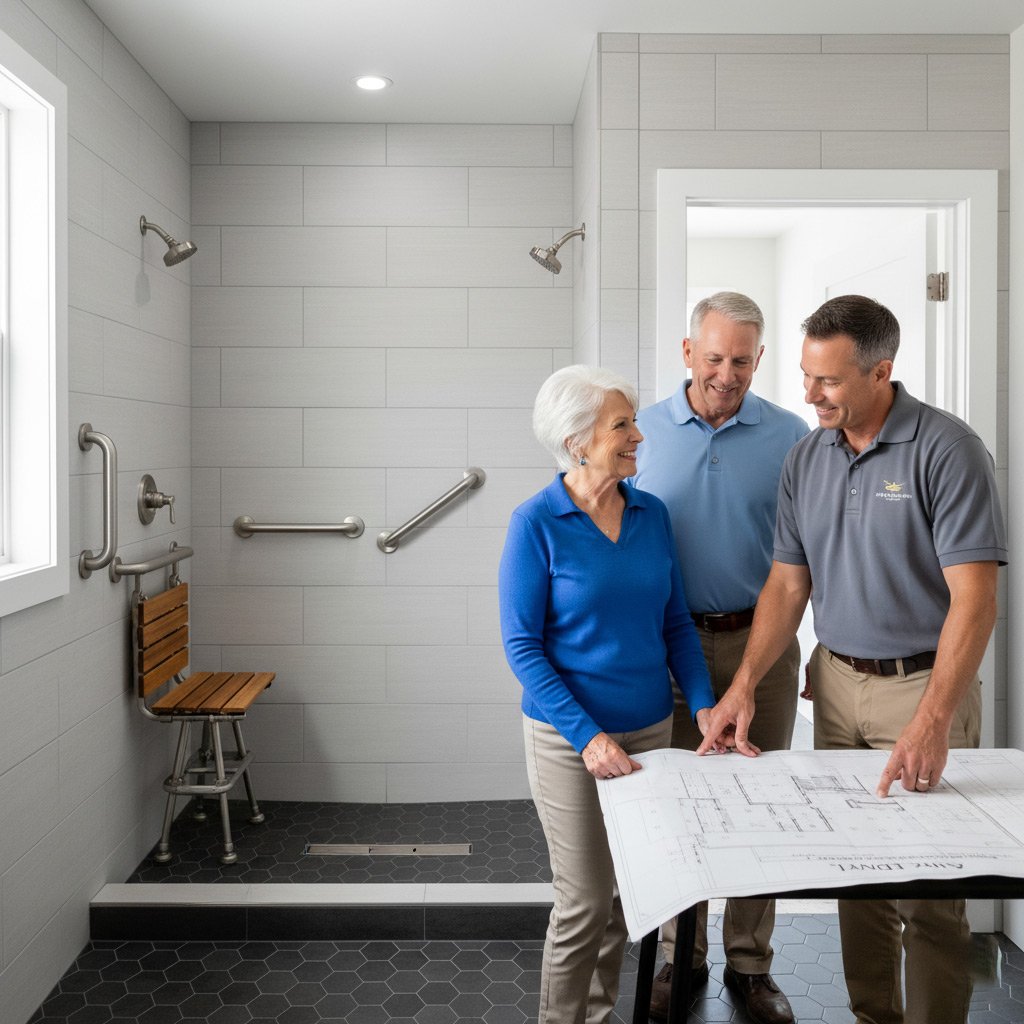
Understanding Pasadena’s Building Codes and Permit Requirements for New Showers
Before you swing a hammer, you’ve got to get friendly with the City of Pasadena’s rulebook. Skipping the permit isn’t just a shortcut—it’s a fast track to fines, forced re‑work, or even a demolition order. The good news? The code isn’t a mystery; it’s a checklist you can master.
What the City Wants From Your Shower Project
- Plumbing permit: required for any new supply line, drain, or valve.
- Electrical permit: mandatory if you’re adding lights, a heated floor, or a digital control panel.
- Structural review: needed when you cut into load‑bearing walls or alter the floor slab.
Each permit comes with a modest fee and a short review period—usually 7‑10 business days if your plans are tidy. Keep your drawings clean, label every fixture, and you’ll be in the clear.
Pasadena‑Specific Must‑Haves
- Waterproofing membrane must meet California Building Code Section 1208.2.
- Shower enclosures need a minimum 6‑inch clearance from adjacent walls for proper ventilation.
- All fixtures must be rated for low‑flow to comply with the city’s water‑conservation goals.
Ask your contractor to submit a “Certificate of Compliance” with the plan set. That single document can save you weeks of back‑and‑forth with the Building & Safety Division.
How to Keep the Permit Process Smooth
- Schedule a pre‑permit meeting with Pasadena’s Building & Safety office.
- Prepare a complete set of drawings: layout, plumbing schematics, and electrical diagrams.
- Pay the fees online and keep the receipt handy for the inspector’s visit.
When you tick these boxes early, the only thing you’ll hear is the sound of water hitting the tiles—not the sound of a city inspector slamming the door on your project.
Water‑Pressure Realities in the San Gabriel Valley and How to Optimize Them
Pasadena sits on a basin where the municipal supply can feel like a lazy river on a hot day. Low pressure isn’t just an annoyance; it can turn a sleek rain‑shower into a sputtering drizzle. The good news? You can coax more oomph out of the existing line without tearing the house apart.
Why Pressure Matters
When the flow drops below 40 psi, tile grout starts to soak, and the showerhead can’t deliver that spa‑like cascade you imagined. Even a modest boost to 60 psi makes a world of difference in how the water feels on skin. Most homeowners overlook the simple fact that the city’s main line pressure varies by neighborhood and even by time of day.
Boosting Flow Without Breaking the Bank
Here are three proven tricks that keep the water moving and the wallet happy:
- Install a pressure‑regulating valve (PRV) set a notch higher than the default. It’s a $50‑$100 upgrade that can add 10‑15 psi.
- Upgrade to a low‑flow, high‑efficiency showerhead. Modern designs use aerators to amplify pressure while conserving water.
- Run a short, straight pipe run from the main line to the shower. Every elbow or long stretch eats pressure like a vacuum.
Don’t forget to check for hidden culprits: clogged aerators, old galvanized pipes, or a partially closed shut‑off valve. A quick inspection can save you weeks of frustration and a few extra dollars.
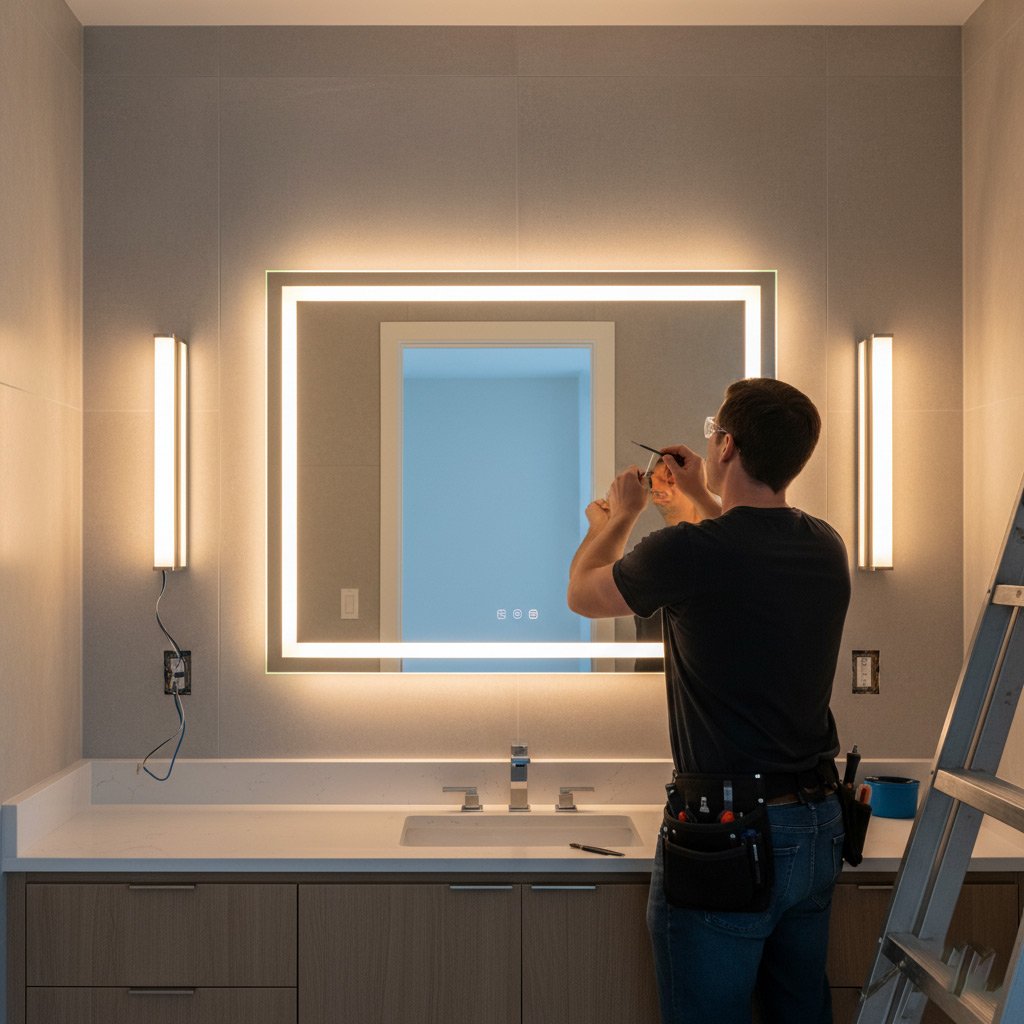
Smart Material Choices for Pasadena’s Climate: Tiles, Fixtures, and Waterproofing
Pasadena’s sunny days and occasional Santa Ana winds demand materials that can handle heat spikes and moisture swings. Pick products that breathe, resist fading, and stay solid when the humidity climbs.
Tile Selection That Beats the Heat
When the sun bounces off a glossy tile, it can turn your shower into a sauna. Choose wisely:
- Porcelain – dense, low‑absorption, perfect for hot days.
- Ceramic with a matte finish – stays cool to the touch and hides water spots.
- Natural stone (e.g., travertine) – only if you seal it every six months.
Look for a PEI rating of 4 or higher to guarantee durability under foot traffic. Slip‑resistant finishes are a must for safety when the floor gets slick.
Fixture Choices That Last
Metal parts expand and contract with temperature changes. Opt for corrosion‑resistant finishes:
- Brushed stainless steel – fights rust in humid bursts.
- Solid brass with a protective coating – adds a touch of luxury without the upkeep.
- Thermostatic valves – keep water temperature steady, even when the city’s supply fluctuates.
Don’t forget the soft‑close feature on shower doors; it reduces wear on hinges and keeps the bathroom quieter.
Waterproofing Must‑Haves
A leak in Pasadena can ruin a whole wall fast. Seal it right the first time:
- Apply a liquid membrane over studs before drywall – it creates a seamless barrier.
- Use fiberglass mesh tape at every joint, then cover with a cementitious coating.
- Install a sloped shower pan that directs water toward the drain, not the walls.
Inspect the waterproofing layer for pinholes before you tile. One missed spot can become a costly repair later.
Budget‑Friendly Design Strategies That Don’t Sacrifice Quality
Start with a smart base
Instead of a custom‑built shower pan, consider a prefabricated acrylic or fiberglass kit. They’re engineered to meet Pasadena’s waterproofing standards and cost a fraction of a poured‑concrete slab. Pair the kit with a simple, waterproof backer board and you’ve got a solid foundation that won’t leak.
Tile tricks that look pricey
Large‑format porcelain tiles create a seamless, high‑end vibe without the labor of tiny mosaics. Lay them in a staggered pattern to hide minor cuts and keep installation time low. Bonus: a matte finish hides water spots, so you spend less on cleaning products.
- Choose a neutral palette; it stays fresh for years.
- Mix a single accent tile for visual interest—no need for a full wall of designer pieces.
- Use a thin‑set mortar with a high‑strength rating; it’s cheap and prevents tile movement.
Fixtures that feel luxe on a shoestring
Opt for a single‑handle cartridge valve instead of a dual‑handle system. It’s easier to install, reduces leak points, and still offers precise temperature control. Pair it with a brushed‑nickel showerhead—looks premium, resists fingerprints, and costs less than polished chrome.
Don’t forget water‑saving tech. A low‑flow showerhead cuts your utility bill by up to 30% while delivering a strong spray. The savings add up fast, freeing cash for a sleek glass enclosure or a custom niche.
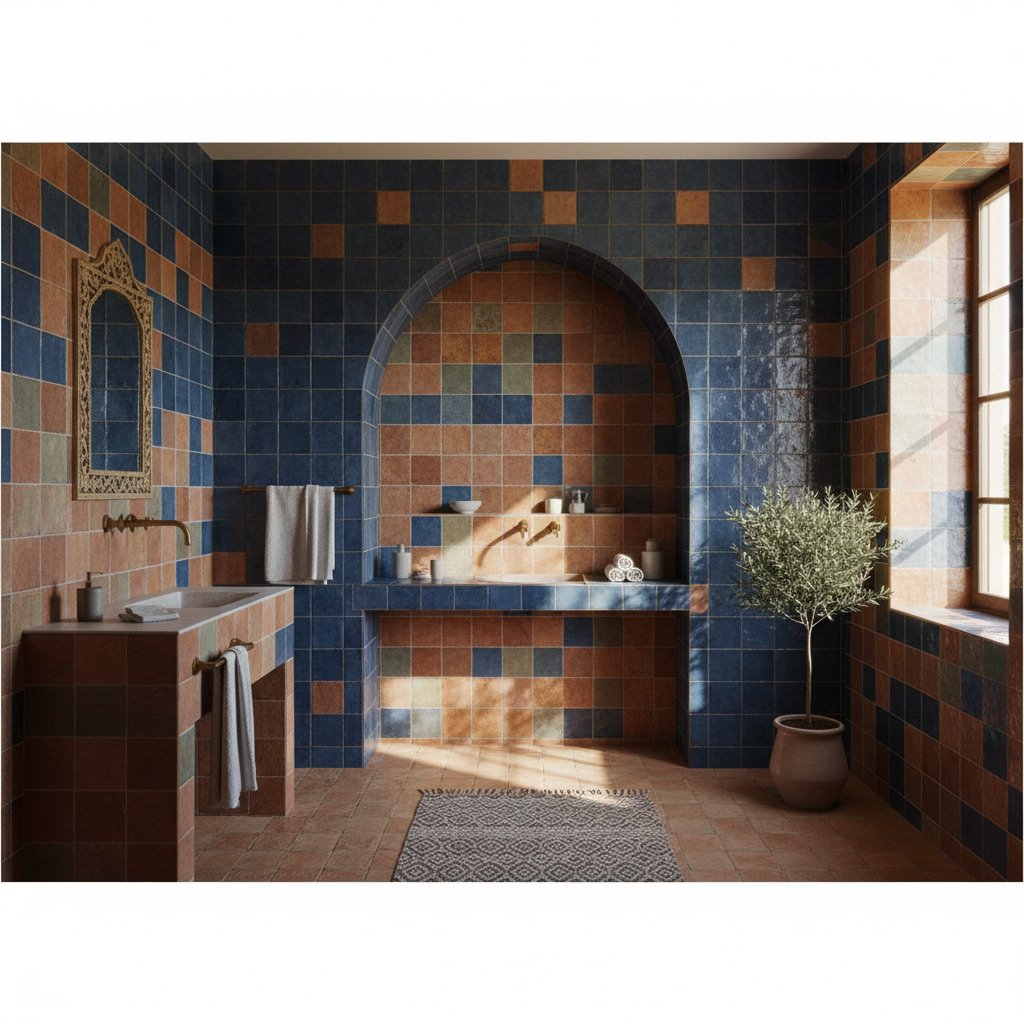
The Contractor Vetting Checklist: Critical Questions to Ask Before Signing
Before you hand over a deposit, you need to know who’s really behind the wrench. A quick interview can separate the pros from the wannabes, saving you time, money, and a lot of headaches.
License, Insurance, and Track Record
Ask these three things first. They’re non‑negotiable.
- Are you licensed for bathroom remodels in Pasadena? Verify the number with the city’s portal.
- Do you carry general liability and workers’ comp? Ask for certificates; a reputable contractor won’t hide them.
- Can you provide at least three recent references from homeowners with similar shower projects?
Work Process and Guarantees
Understanding the workflow keeps surprises at bay. Get clear answers.
- What’s your typical timeline for a full‑bathroom shower remodel, from demo to final grout?
- Do you use a written contract that outlines scope, materials, and payment schedule?
- Do you offer a warranty on both labor and the products you install? How long does it last?
Case Study: Transforming a 1970s Bathroom into a Modern Oasis in Pasadena
The Starting Point
The original bathroom was a relic: cracked teal tiles, a single‑handle faucet that dripped like a leaky faucet in a horror movie, and a shower stall that leaked onto the hardwood floor. Homeowners were terrified of the looming permit nightmare and the unknown cost of fixing the ancient plumbing. Our first move was a full inspection to map out code violations and water‑pressure bottlenecks.
The Makeover Moves
We tackled the project in three phases: demolition, infrastructure upgrade, and finish work. The demolition revealed rusted copper pipes that needed replacement with PEX for consistent pressure. For the finish, we chose materials that thrive in Pasadena’s dry‑summer climate:
- Large‑format porcelain tiles – fewer grout lines, less maintenance.
- Matte black fixtures – hide water spots and add a contemporary edge.
- Liquid‑applied waterproof membrane – passes the city’s moisture‑test with flying colors.
Every step was logged with the city’s building department, so permits were approved on time and no surprise fines appeared.
The Payoff
Six weeks later the homeowner stepped into a spa‑like shower with a rain‑head that delivered a steady, invigorating flow. The new layout eliminated the old “wet‑floor” issue, and the sleek tile work earned compliments from neighbors on the cul‑de‑sac. Bottom line: a disciplined approach to code, pressure, and material selection turned a dated 1970s space into a resale‑ready masterpiece without blowing the budget.
Final Words
When you walk away from the showroom with a sketch of your dream shower, remember the real work starts at the permit desk. Getting the paperwork right saves you weeks of re‑work and keeps the city happy.
Quick‑Hit Checklist
- Confirm your permit is approved before any tile is laid.
- Test water pressure after rough‑in; adjust with a booster if needed.
- Choose tile with a low‑porosity rating to survive Pasadena’s heat swings.
- Ask the contractor for a written warranty on waterproofing.
- Schedule a final walkthrough and sign off only when every joint is sealed.
Ready to turn that vision into reality? Dive deeper into our New Showers guide for more ideas, or reach out to a vetted pro who knows Pasadena’s quirks inside out.
People Also Ask
Do I need a permit to install a new shower in Pasadena?
Yes, Pasadena requires a building permit for any new shower installation or major remodel that involves plumbing or structural changes. Obtaining the permit ensures compliance with local codes and avoids potential fines.How does San Gabriel Valley water pressure affect my shower experience?
Water pressure in the San Gabriel Valley can vary, especially during peak usage times. Installing a pressure‑boosting pump or selecting low‑flow fixtures can help maintain a consistent, invigorating shower.What tile materials work best for Pasadena’s climate?
Porcelain and natural stone tiles are ideal because they resist heat‑expansion and moisture fluctuations common in Southern California. Pair them with a high‑quality waterproof membrane for added protection.Can I keep costs low without sacrificing quality?
Absolutely—focus on strategic choices like prefabricated shower kits, standard‑size tiles, and energy‑efficient fixtures. These options deliver durability and style while staying budget‑friendly.What should I ask a contractor before hiring them for a shower remodel?
Inquire about their licensing, insurance, recent Pasadena projects, and warranty coverage. Also, request a detailed written estimate and timeline to avoid hidden costs.
Pasadena Bathroom Remodel specializes in custom bathroom renovations, bringing over a decade of craftsmanship to homes throughout Pasadena. Their team combines local knowledge with meticulous attention to detail to deliver functional, stylish spaces that reflect each homeowner’s vision.
Need Bathroom Remodel?
We revitalize bathrooms in Pasadena and surrounding communities, delivering high‑quality remodels on a fast timeline (91101, 91103, 91104, 91001, 91201). Our focused process gets your space ready for daily use in weeks, not months.
Get Bathroom Quote