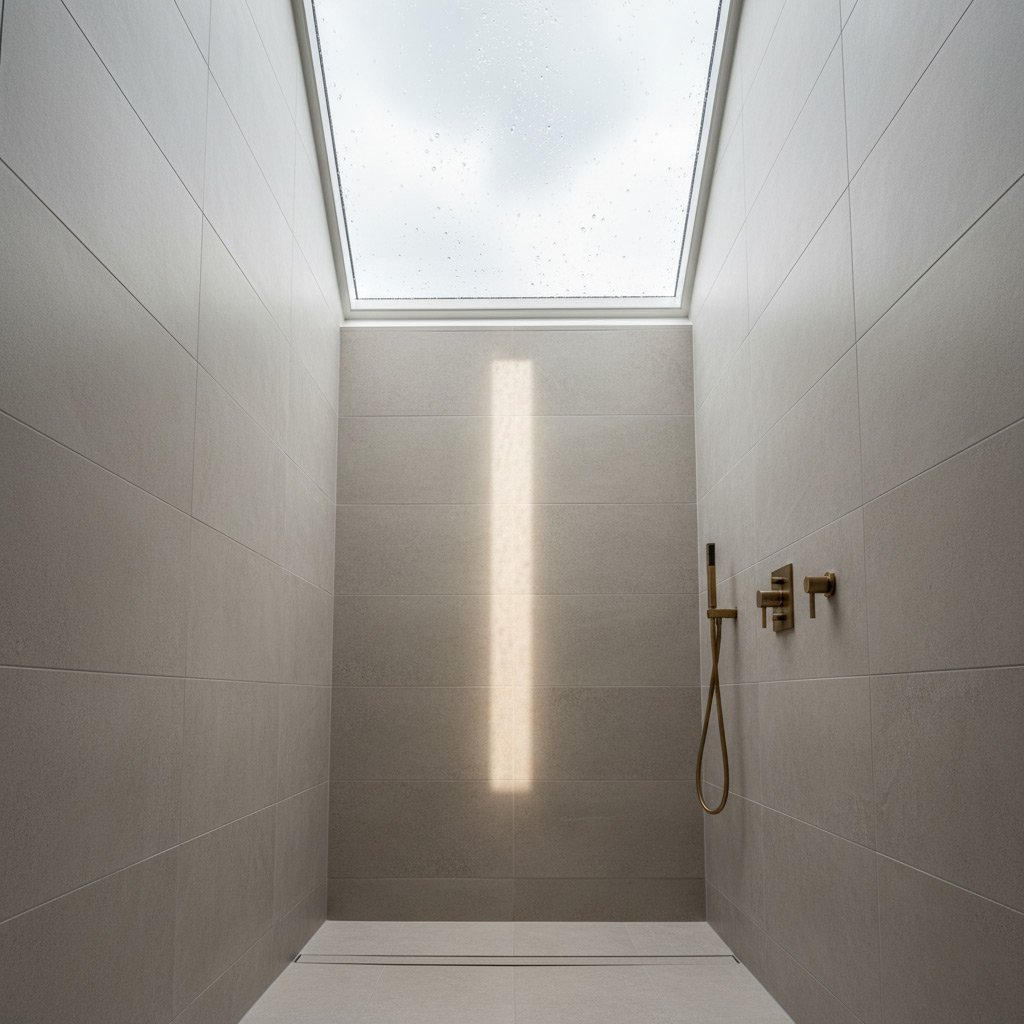
Picture this: you open the bathroom door and the first thing you see is a sleek, glossy tub that looks brand‑new, even though the old one is still underneath. That’s the magic of a properly installed bathtub liner—instant facelift, zero demolition.
Pasadena homeowners love a quick win, and a liner gives you exactly that. It’s a cost‑effective way to dodge cracks, chips, and outdated colors while keeping the plumbing intact.
In the next few minutes we’ll walk you through every step, from measuring the cavity to sealing the seams, so you can avoid costly mistakes and walk away with a finish that feels custom‑made.
Ready to see how a solid plan turns a messy job into a smooth success? Keep reading and you’ll have the playbook in hand.
Assessing Tub Compatibility and Preparing the Surface
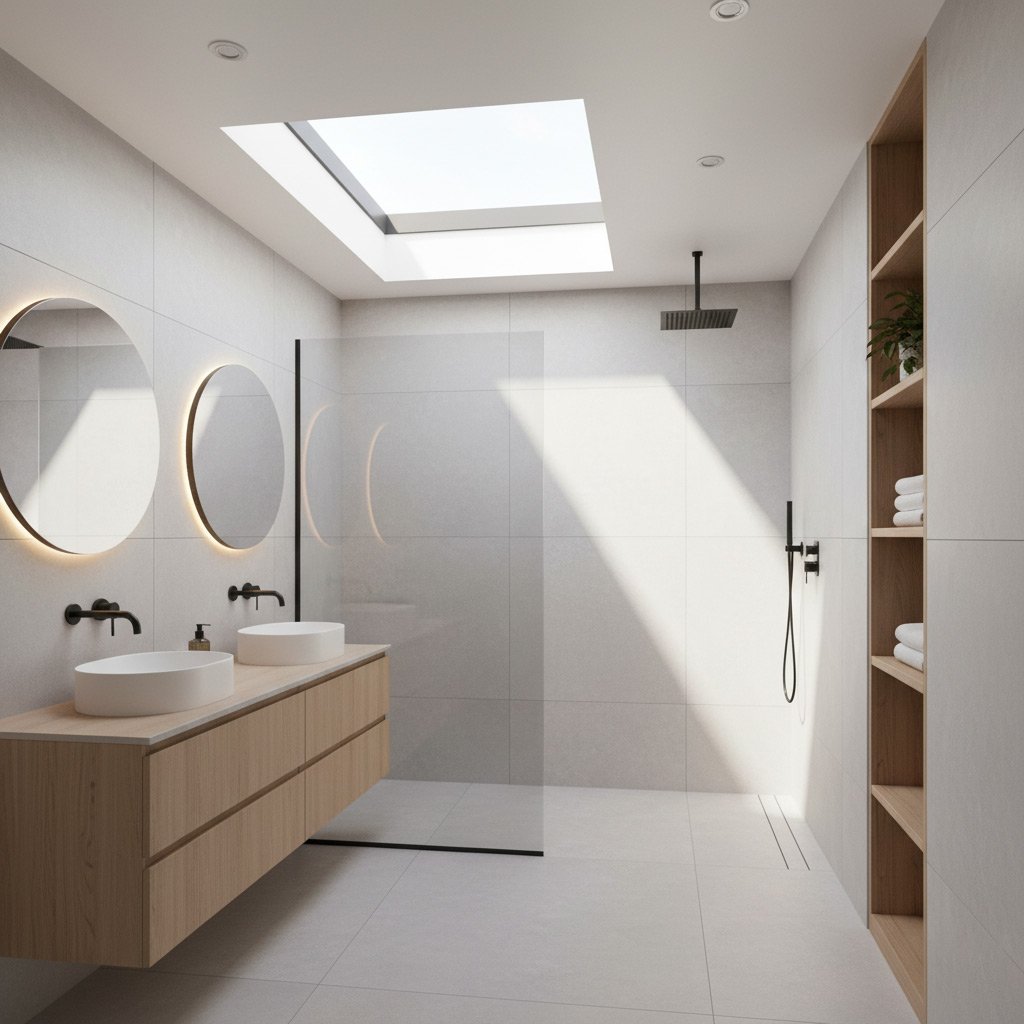
Before you even think about laying down a liner, you need to know whether the existing tub will cooperate. Shape matters—most acrylic, fiberglass, and even some older enamel tubs will accept a custom liner, but a cast‑iron or tile‑surrounded basin often won’t. Take a quick visual sweep for major cracks, rust spots, or warped edges; those are red flags that could ruin the seal later.
Key Compatibility Checks
- Material: acrylic, fiberglass, or enamel are prime candidates.
- Depth & width: the liner must sit flush without over‑stretching.
- Drain configuration: ensure the liner’s pre‑cut matches your existing overflow and trap.
- Structural integrity: no loose panels, no squeaky hinges.
Once you’ve confirmed the tub passes the checklist, the surface prep is the next battlefield. Strip away soap scum, old caulk, and any loose paint with a non‑abrasive scrubber—don’t go full‑blitz with a hammer. Rinse thoroughly, then dry with a lint‑free cloth; any moisture left behind will prevent the adhesive from bonding properly.
Finally, give the tub a once‑over with a pH‑neutral cleaner to neutralize any lingering oils. Spot‑check corners for hidden damage; a small crack can become a big leak once the liner is in place. When the surface feels smooth, dry, and solid, you’re ready to move on to the measuring stage.
Accurate Measurements: Tools, Techniques, and Tolerances
Why Precision Matters
Even a half‑inch error can turn a perfect liner into a leaky nightmare. Measure twice, install once—that old carpenter’s rule still saves you time and money when the liner is poured.
Essential Tools for the Job
Grab these items before you step into the tub:
- Steel tape measure – flexible enough for curves, sturdy enough for accuracy.
- Digital level – checks that the floor is truly flat.
- Laser distance meter – speeds up long runs and eliminates guesswork.
- Calipers – perfect for confirming depth at the faucet and overflow.
Techniques and Tolerances
Start at the front edge, pull the tape straight across, and note the length to the nearest 1/16 in. Don’t trust eyeballing; write it down, then repeat at the back, left, and right walls.
Depth is a different beast: measure from the top of the tub lip to the deepest point, then subtract the liner’s thickness (usually 0.25–0.5 in). Keep a tolerance of ±0.125 in; anything beyond that means you’ll need a custom trim or a shim.
Choosing the Ideal Liner Material and Design for Pasadena Homes
Material Matters
Pasadena’s climate swings from dry summer heat to rainy winter chills, so you need a liner that won’t warp or yellow over time. Acrylic offers a glossy finish and resists UV fading, while PVC is tougher on impact and perfect for high‑traffic families.
For the ultra‑luxury feel, a gel‑coat surface mimics stone without the weight, and it holds up against hard water stains better than most.
- Acrylic – smooth, easy to clean, mid‑range price.
- PVC – impact‑resistant, ideal for kids and pets.
- Gel‑coat – premium look, superior stain resistance.
Design Decisions
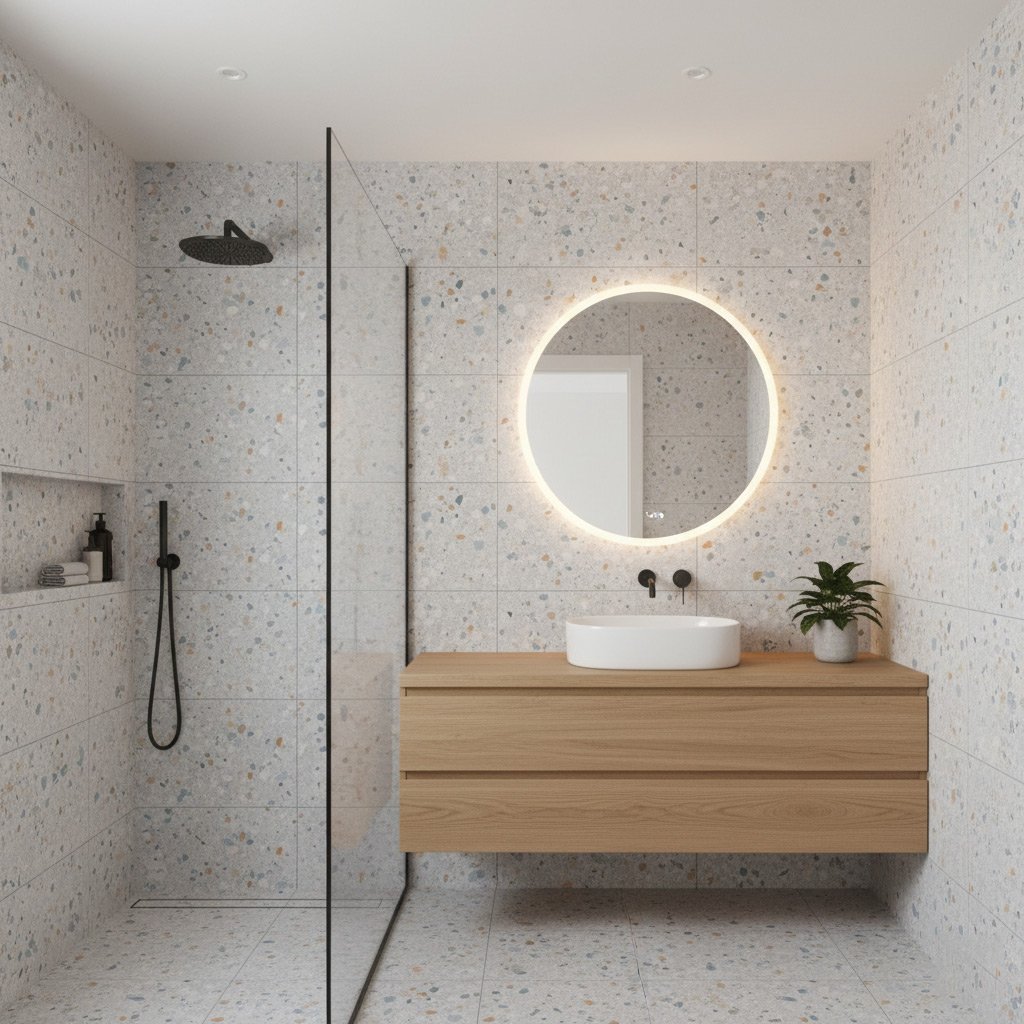
Color isn’t just a mood setter; it can make a cramped bathroom feel larger or a spacious one cozier. Light greys and soft whites reflect more light, while deep blues or charcoal add drama without shrinking the room.
Texture plays a subtle role, too. A matte finish hides water spots, whereas a high‑gloss surface amplifies the “new tub” illusion.
- Solid colors – timeless, easy to match fixtures.
- Subtle veining – adds depth, mimics natural stone.
- Custom graphics – perfect for a statement wall or vintage vibe.
Longevity & Local Fit
Hard water is a fact of life in Southern California, so choose a liner with a built‑in anti‑scale coating to keep the surface slick and spotless.
Look for manufacturers that back their product with a 10‑year warranty; that’s a sign they trust their material to survive Pasadena’s temperature swings.
- Anti‑scale coating – reduces mineral buildup.
- UV‑stable pigments – prevent fading under sun‑lit windows.
- Extended warranty – peace of mind for years to come.
Step‑by‑step Installation: From Cleaning to Securing the Liner
Prep the Tub
Start by stripping the old tub down to a clean, dry surface. All soap scum, grout, and loose paint must be gone—otherwise the liner won’t bond.
Grab a utility knife, a scraper, and a shop‑vac. Work in sections, wiping each area with a citrus‑based cleaner, then rinse and let it air‑dry.
- Remove any caulk or silicone around the edges.
- Sand the fiberglass or acrylic lightly to create a “tooth” for the adhesive.
- Vacuum the dust; a clean surface is non‑negotiable.
Apply Adhesive and Position the Liner
Mix the two‑part epoxy according to the manufacturer’s directions—no shortcuts. Spread a thin, even layer with a notched trowel, focusing on the corners and the lip.
Lay the liner gently into the tub cavity. Press from the center outward to push out air bubbles, then use a rubber mallet to tap the edges into place.
- Check the fit with a straightedge; gaps larger than 1/8 inch need more adhesive.
- Trim excess material with a fine‑toothed saw before the glue sets.
Secure, Seal, and Cure
Once the liner sits flush, run a bead of silicone along the perimeter to lock it down. Smooth the bead with a fingertip or a caulking tool—no ridges.
Allow the adhesive to cure for the recommended 24‑hour window. During that time, keep the bathroom well‑ventilated and avoid any water contact.
- After curing, inspect the seams; re‑apply silicone where needed.
- Polish the surface with a non‑abrasive cleaner to bring out the shine.
Sealing, Curing, and Finishing Touches for a Durable Finish
Seal the Edges
Once the liner sits snugly, the real protection starts with a high‑quality, 100% silicone sealant. Apply a thin, continuous bead along every joint—where the liner meets the wall, the overflow, and the faucet deck.
Don’t rush the tool‑up; use a caulk‑smoothing tool or a damp finger to press the sealant into the gap and wipe away excess. This creates a watertight barrier that stops moisture from sneaking behind the liner.
Curing: Patience Pays Off
The silicone needs time to reach full strength. In Pasadena’s mild climate, aim for 24‑48 hours of undisturbed curing before any water touches the surface.
Keep the bathroom at a steady 68‑75°F and avoid drafts. If humidity spikes, extend the cure by another 12 hours—better safe than soggy.
Finishing Touches
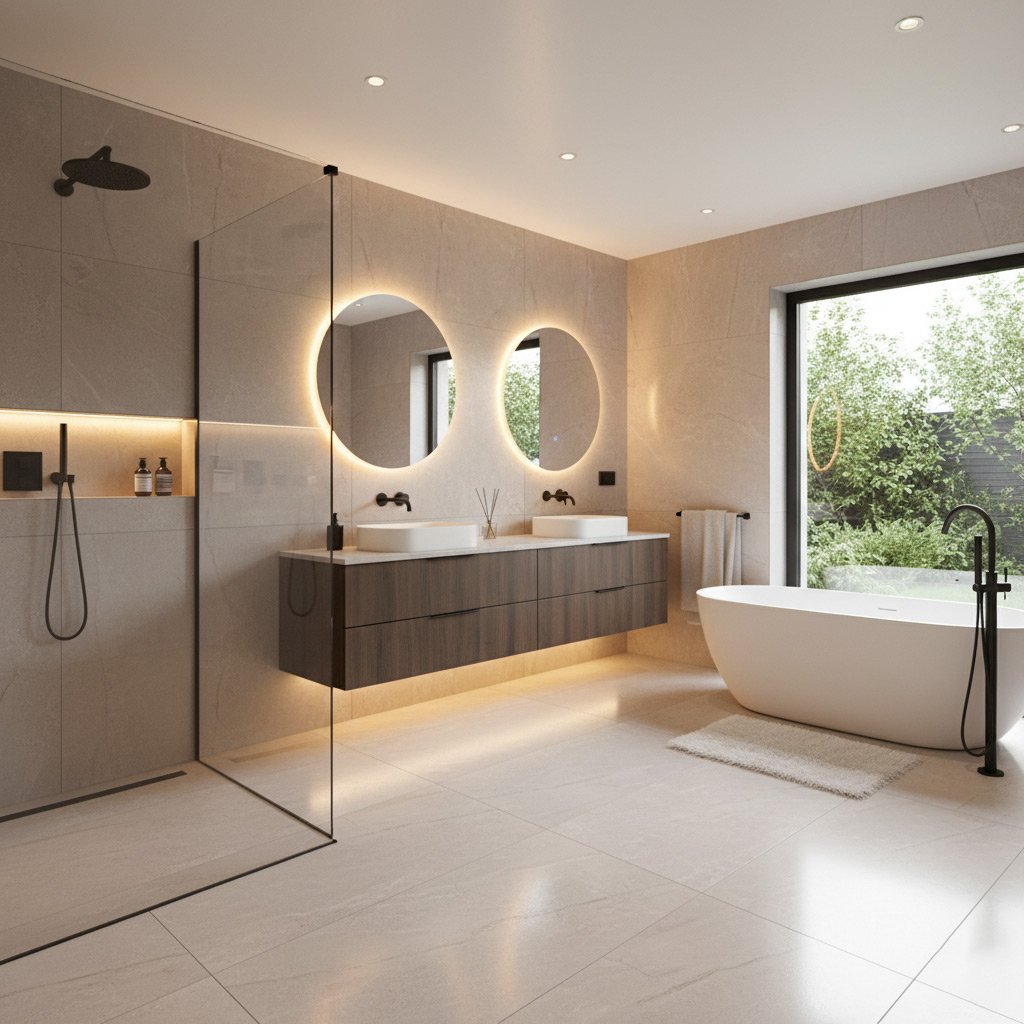
After the seal sets, give the tub a quick polish with a non‑abrasive cleaner to erase any fingerprints. Then, install the final trim pieces—cove base, splash guard, or decorative molding—to hide the seam and add a custom look.
- Check the caulk line for gaps; a quick touch‑up saves future leaks.
- Re‑attach any hardware (towel bars, grab rails) with fresh screws to avoid loosening.
- Run a short water test—no drips, no fogging, just a clean shine.
Case Study: Revitalizing a 1970s Pasadena Bathroom with a Custom Liner
The Problem
When the Martinez family opened their 1970s bathroom, the tub looked like a battlefield—cracked enamel, faded teal glaze, and a stubborn leak that refused to quit.
They needed a fix that wouldn’t rip up the original plumbing or force a full demolition, and they wanted something that felt fresh, not retro.
The Solution
Our crew started with a laser‑precise scan of the existing cavity, then drafted a digital mock‑up that matched the home’s mid‑century vibe while adding a modern, slip‑resistant surface.
Key steps included:
- Cleaning the old tub until the surface was spotless—no grease, no dust.
- Applying a high‑adhesion primer to ensure the liner would bond for years.
- Fitting a custom acrylic liner with a subtle “wave” pattern that echoed the original curves but hid the damage.
The Result
After the liner cured, the Martinez bathroom transformed from a dated eyesore into a sleek, spa‑like retreat—still the same footprint, but with a brand‑new shine.
The family reported zero leaks, a dramatically smoother surface, and compliments from neighbors who thought they’d hired a full remodel crew.
Final Words
Now that the liner is set, the real work begins: maintaining that showroom shine. Keep an eye on the caulk line, wipe spills before they sit, and give the surface a gentle scrub with a non‑abrasive cleaner every few weeks.
Quick‑Check Checklist
- Inspect seams after the first 48 hours for any gaps.
- Run hot water for 5 minutes to confirm the liner isn’t warping.
- Apply a silicone‑based sealant around the faucet and overflow.
When you’re ready to explore more options—different textures, colors, or even a full bathroom makeover—head over to our Bathtub Liners page. It’s packed with ideas that fit every Pasadena style, from mid‑century modern to sleek contemporary.
People Also Ask
Can I install a bathtub liner myself in Pasadena?
Yes, a skilled DIYer can install a liner, but local building codes and the need for precise measurements often make professional help advisable. Hiring a Pasadena‑based installer ensures compliance with water‑tightness standards and proper curing.How long does a bathtub liner installation typically take?
A standard installation, including surface prep, fitting, and curing, usually takes 4–6 hours for the installer. Full curing time for the adhesive is about 24–48 hours before the tub can be used.What are the most durable liner materials for Pasadena’s climate?
Acrylic and PVC liners are popular for their resistance to humidity and temperature swings common in Southern California. Acrylic offers a glossy finish and easier repairs, while PVC provides extra flexibility for older, uneven tubs.Do I need to remove the old tub before installing a liner?
No, the liner is designed to fit over the existing tub, eliminating the need for demolition. However, the old tub must be thoroughly cleaned, repaired, and free of mold or mildew before installation.How much does a custom bathtub liner cost in Pasadena?
Pricing varies by size, material, and design, typically ranging from $1,200 to $3,500 including labor. Custom patterns or high‑gloss finishes can increase the cost, but they add resale value to Pasadena homes.
Pasadena Bathroom Remodel specializes in high‑quality bathroom renovations, bringing over 15 years of craftsmanship to homes throughout Pasadena. Their team combines local knowledge with a commitment to detail, ensuring each project reflects the unique style of the community. With a reputation for reliable service and personalized design, they transform bathrooms into functional, beautiful spaces.
Need Bathroom Remodel?
We revitalize bathrooms in Pasadena and surrounding communities, delivering high‑quality remodels on a fast timeline (91101, 91103, 91104, 91001, 91201). Our focused process gets your space ready for daily use in weeks, not months.
Get Bathroom Quote