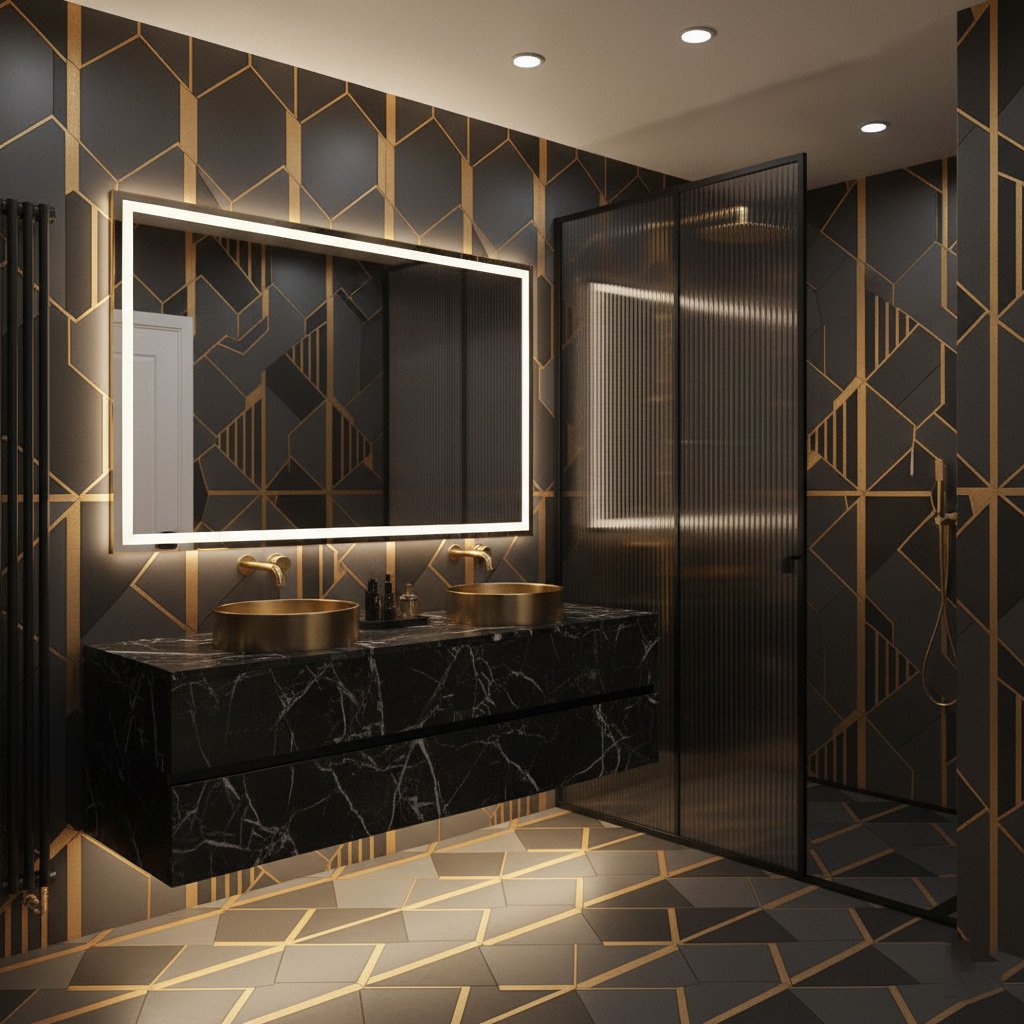
Picture this: you slip off your shoes, the water swirls around you, and the world outside the bathroom fades away. That’s the promise of a walk‑in tub, and in Pasadena it can be the centerpiece of a home‑renovation story worth bragging about.
But not every tub will fit your space, your style, or your safety needs. A tub that looks great in a catalog might crowd your tile, clash with your fixtures, or leave you scrambling for a sturdy grab bar when the water gets deep.
Too many homeowners fall for the cheapest price tag or the flashiest chrome finish, only to discover later that the door is too narrow, the seat too low, or the warranty a paper tiger. The right choice starts with a clear picture of what matters most to you.
Ready to cut through the noise and lock down a tub that feels custom‑made for your Pasadena bathroom? Keep reading and we’ll walk you through the exact steps that turn a confusing market into a simple, confident decision.
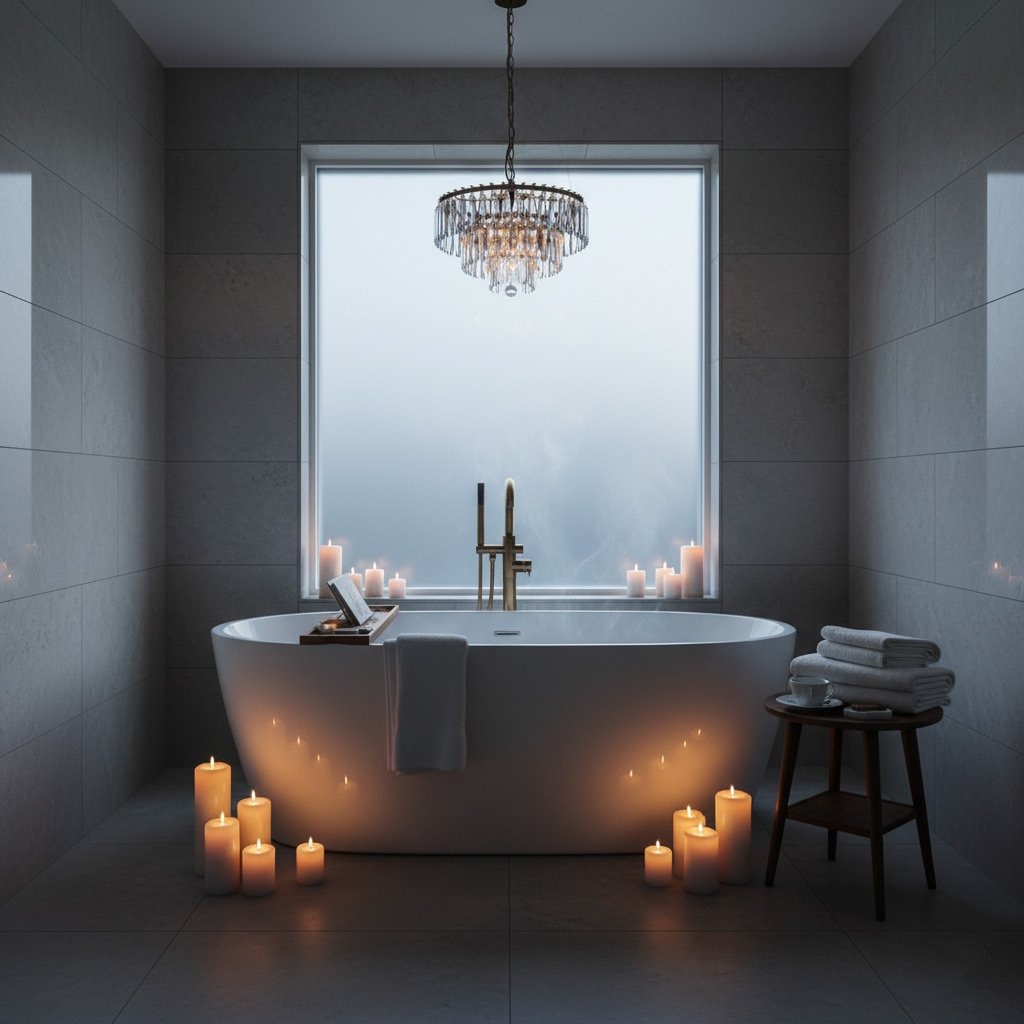
Measuring Your Space: Layout, Clearance, and Design Flow
Start with a floor plan
Grab a tape measure, a sheet of graph paper, and sketch the bathroom as it stands today. Mark the location of existing fixtures—toilet, vanity, and any built‑in shelving—then note the distance from wall to wall. Every inch counts when a walk‑in tub will occupy the same footprint.
Clearance is non‑negotiable
Walk‑in tubs need room to open, close, and let you step in without bumping the opposite wall. Aim for at least 36‑inches of clear space in front of the door and a minimum of 24‑inches on each side for a comfortable swing. Don’t forget the ceiling; a headroom clearance of 78‑inches prevents a cramped feel.
- Door width: 24‑inches is a safe baseline, 30‑inches is ideal for larger users.
- Seat height: 17‑to‑19 inches suits most adults, but raise it if you have mobility concerns.
- Floor load: Verify that the subfloor can support the tub’s weight plus water—usually 150 lb/ft².
Design flow matters
Think about how you move through the room. The tub should sit in a spot that doesn’t force you to zig‑zag around the vanity or block the entry door. Align the tub’s line of sight with the window or a focal wall to keep the space feeling open and intentional.
Prioritizing Safety and Accessibility: Grab Bars, Door Width, and Seating Height
Grab Bars
Grab bars are the unsung heroes of a walk‑in tub; they keep you steady when you step in and out.
- Placement matters – install one at the entry side and another at the opposite wall for a solid triangle of support.
- Choose stainless‑steel or brushed nickel to resist rust in Pasadena’s humid climate.
- Make sure the bar is at least 1‑inch diameter and can hold 250 lb per anchor.
Door Width
The door is your gateway; if it’s too tight, you’ll wrestle with the tub every night.
- Aim for a clear opening of 36‑inches; this accommodates most wheelchairs and walkers.
- Check the swing direction – outward‑opening doors avoid indoor space loss.
- Look for a low‑profile hinge that won’t snag on towels or bath mats.
Seating Height
A seat that’s too low turns a relaxing soak into a painful climb.
- Standard heights range from 16‑to‑20 inches; taller users should target the upper end.
- Consider a contoured seat with a slight recline for added comfort.
- Make sure the seat depth allows your knees to bend comfortably without hitting the back wall.
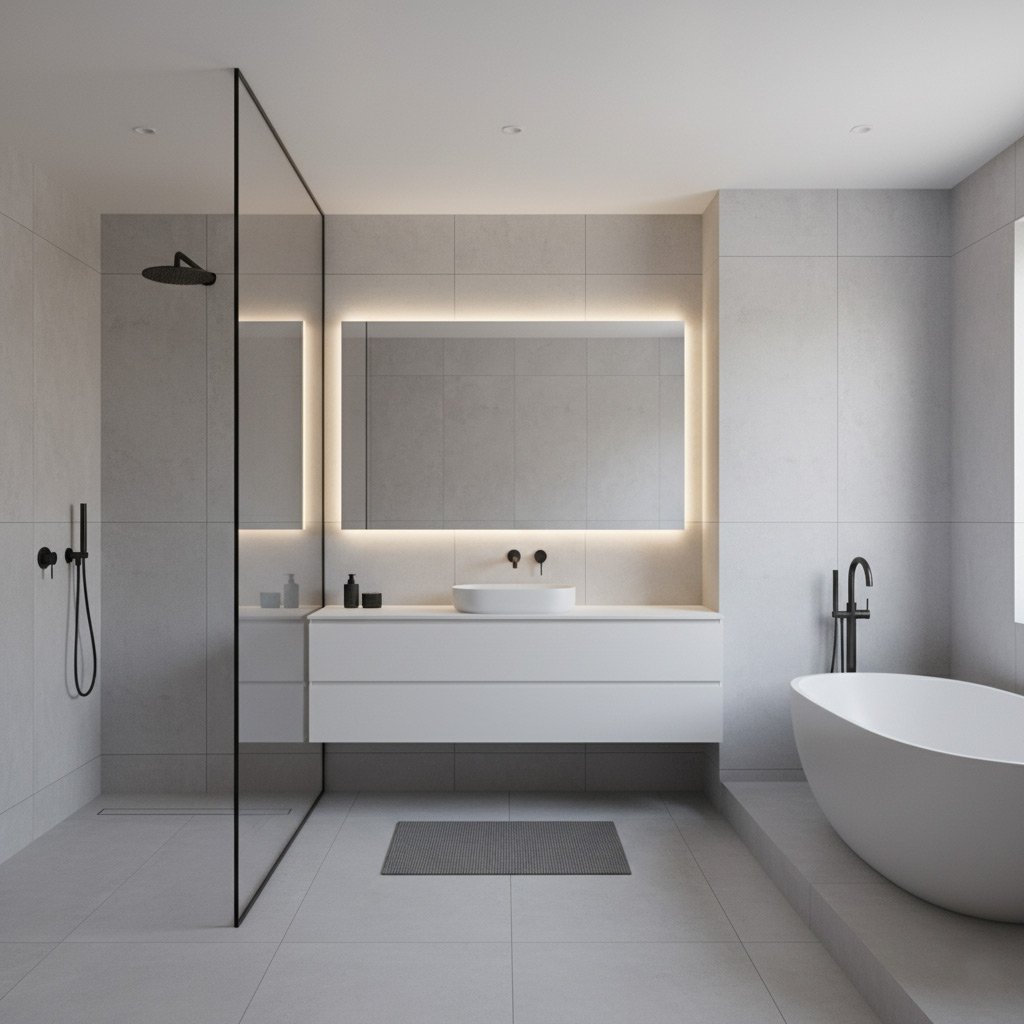
Selecting the Ideal Tub Style and Material for Pasadena Homes
Classic vs. Modern Aesthetic
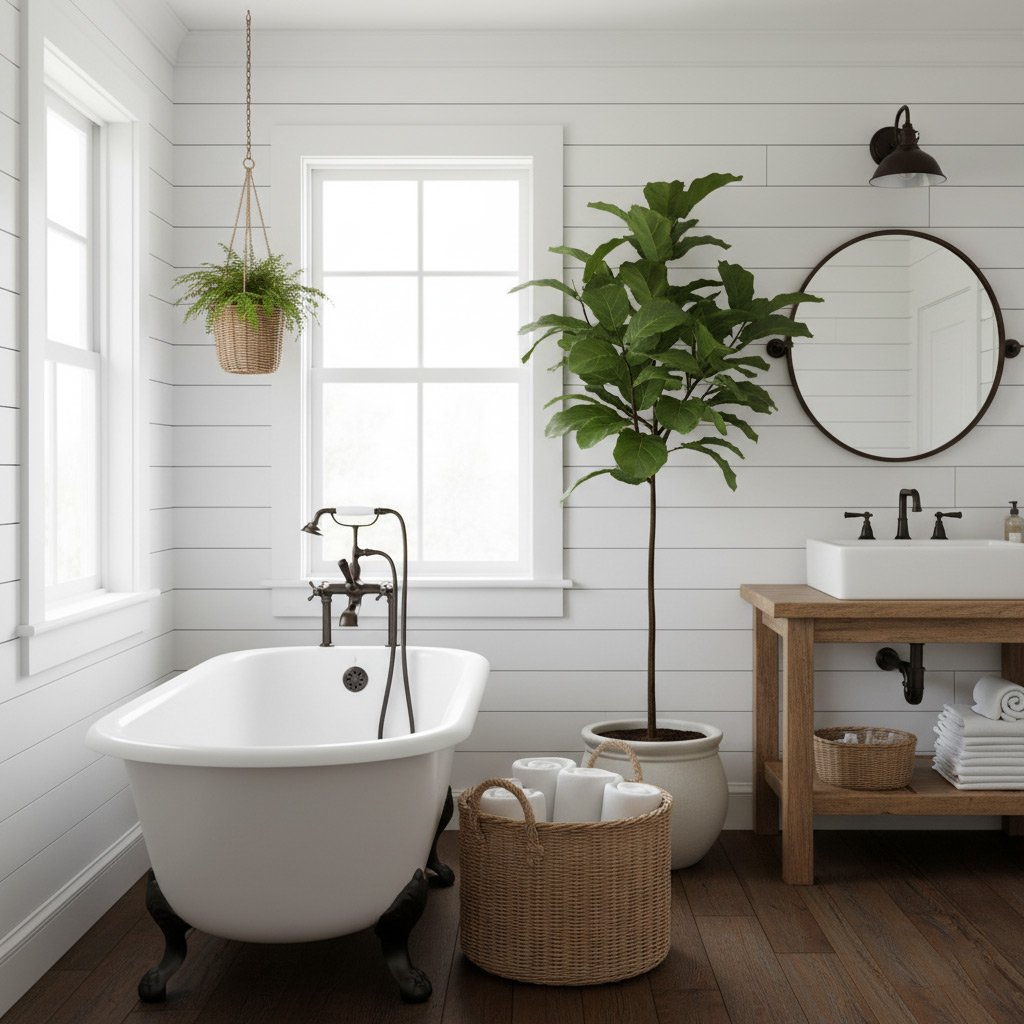
Pasadena’s Craftsman roots love clean lines and warm wood, while newer condos crave sleek, minimalist looks. Pick a style that echoes the surrounding architecture—a claw‑foot tub for a historic bungalow, a low‑profile acrylic model for a contemporary loft. Don’t force a design; let the tub complement, not compete, with your existing fixtures.
Material Matters
What you touch matters as much as what you see. Different materials bring distinct feels, durability, and upkeep.
- Acrylic – lightweight, quick to heat, easy on the eyes. Ideal for tight spaces.
- Fiberglass – budget‑friendly, but can scratch more easily. Good for a starter tub.
- Cast iron – heavy, solid, retains heat like a champ. Perfect for a spa‑like experience.
- Stone‑derived composites – natural look, high durability, but pricier.
Matching Material to Pasadena Lifestyle
Our climate swings from cool mornings to hot afternoons, so heat retention is a plus. Cast iron or stone‑composite tubs keep water warm longer, cutting energy use. If you prefer low‑maintenance, acrylic or fiberglass wipe clean with a mild cleanser. Choose the material that fits your daily routine, not just the showroom hype.
Key Features to Consider: Hydrotherapy Jets, Heated Seats, and Door Mechanisms
Hydrotherapy Jets
Jets are the muscle‑relaxing secret sauce that turns a tub into a personal spa. Adjustable pressure lets you dial in a gentle massage or a deep‑tissue blast, depending on the day.
Look for models with independent zone control so you can target the back, hips, or calves without flooding the whole tub. A quick checklist:
- Number of jets – more isn’t always better; placement matters.
- Air vs. water jets – air adds a bubbly feel, water delivers stronger pressure.
- Digital presets – one‑button programs save time and keep the experience consistent.
Heated Seats
A warm seat is the difference between “just okay” and “wow, I could stay all night.” Thermostat‑controlled heating keeps the surface at a comfortable 95‑105°F.
Make sure the heating element is energy‑efficient and has an automatic shut‑off. Benefits you’ll notice:
- Reduced muscle stiffness after a long day.
- Less need for extra blankets or towels.
- Consistent comfort even on chilly Pasadena evenings.
Door Mechanisms
The door is the gatekeeper of safety and convenience. A soft‑close hydraulic hinge prevents slamming and reduces wear.
Choose a system that offers:
- Wide opening – at least 36 inches for wheelchair access.
- Low‑profile threshold – eliminates tripping hazards.
- Easy‑release latch – simple for seniors, sturdy for kids.
Budget Planning, Warranty Insights, and Professional Installation Tips
Budget Planning
Start with a realistic ceiling, not the sticker price. Factor in demolition, plumbing reroute, and floor reinforcement—those hidden costs eat up 15‑20% of the total.
Break the numbers into three buckets so you can see where the money goes.
- Base tub cost: model, size, and optional features.
- Prep work: tile removal, sub‑floor upgrades, and waterproofing.
- Finish line: trim, lighting, and any custom cabinetry.
Warranty Insights
A solid warranty is your safety net, not a marketing gimmick. Look for a minimum five‑year structural guarantee and a separate parts coverage that runs at least three years.
Read the fine print—most warranties void if the tub isn’t installed by a certified pro.
- Check who handles claims: manufacturer or dealer?
- Ask about labor coverage; some brands include it, others don’t.
- Note the “wear‑and‑tear” clause—does it exclude the seat cushion?
Professional Installation Tips
Don’t cut corners on the install crew. A qualified plumber who knows Pasadena’s building codes will save you headaches later.
Ask for a detailed scope of work before the first nail hits the floor.
- Verify the installer’s license and insurance.
- Insist on a pre‑install walkthrough to confirm clearances.
- Schedule a post‑install inspection to lock in the warranty.
Case Study: Revitalizing a Historic Pasadena Bathroom with a Custom Walk‑In Tub
Project Overview
When the Martinez family bought a 1920s Craftsman bungalow on Colorado Blvd, the bathroom was a time capsule of cracked tiles and a bathtub that looked like a relic. They wanted a modern sanctuary without erasing the home’s vintage charm.
Our team measured every inch, noted the original crown molding, and mapped out a layout that kept the period‑era windows while freeing up space for a spacious walk‑in tub.
Design Decisions
We chose a low‑profile acrylic tub with a brushed‑nickel door to echo the home’s historic hardware. The seat sits at 18 inches—high enough for comfort, low enough to stay true to the room’s proportions.
- Material: Thermo‑formed acrylic for durability and easy cleaning.
- Finish: Subtle matte chrome that blends with the original light fixtures.
- Features: Built‑in hydro‑jets positioned to massage the lower back, a heated backrest, and a soft‑close door mechanism.
Results & Takeaways
The custom tub turned a cramped, outdated space into a spa‑like retreat that still feels like part of the 1920s story. The family reported a 30% reduction in bathroom slips thanks to the strategically placed grab bars that match the period trim.
Key lesson: when you respect the architecture and pair it with modern safety tech, the result is a bathroom that sells both comfort and curb‑appeal—perfect for Pasadena’s historic market.
Final Words
Before you sign the contract, double‑check that the tub meets Pasadena’s building codes and that the installer is licensed for plumbing and structural work. A quick phone call to the city’s building department can save you a costly retrofit later.
Next Steps
- Ask for a written warranty that covers both the tub and the door mechanism.
- Schedule a pre‑installation walkthrough with your contractor to verify clearances.
- Set up a maintenance plan—clean the jets monthly and lubricate the door hinges every six months.
When you’re ready to explore more options, swing by our Walk In Tub page for a full lineup of models that blend style with safety. The right tub isn’t just a purchase; it’s an investment in comfort that pays off every time you step in.
People Also Ask
What measurements do I need before buying a walk‑in tub for my Pasadena bathroom?
You should measure the floor space, ceiling height, and door opening width, allowing at least 2‑3 inches of clearance on each side. Also note the distance to existing plumbing and any nearby fixtures to ensure proper fit and design flow.How important are safety features like grab bars and door width for a walk‑in tub?
Safety features are critical, especially in homes with seniors or limited mobility. Look for sturdy grab bars, a door width of at least 36 inches, and a low seating height to make entry and exit easy and secure.Which tub materials work best for Pasadena’s climate and home styles?
Acrylic and reinforced fiberglass are popular for their durability and resistance to temperature fluctuations common in Southern California. For a more upscale look, consider stone‑coated or cultured marble tubs that complement historic Pasadena architecture.What are the must‑have features in a walk‑in tub for a luxury Pasadena bathroom?
Hydrotherapy jets, heated seats, and a low‑effort door mechanism (such as a hydraulic or swing‑away door) add comfort and convenience. Integrated LED lighting and digital controls can also enhance the spa‑like experience.How do I budget for a walk‑in tub installation and what warranties should I look for?
Set aside a budget that includes the tub price, any necessary plumbing modifications, and professional installation fees, typically ranging from $5,000 to $12,000. Choose a product with a minimum 5‑year limited warranty covering the tub, jets, and door mechanisms for peace of mind.
Pasadena Bathroom Remodel specializes in high‑quality bathroom renovations, bringing over 15 years of craftsmanship to homes throughout Pasadena. Their team combines local knowledge with a commitment to detail, ensuring each project reflects the unique style of the community. With a portfolio of successful remodels, they guide homeowners from design through completion.
Need Bathroom Remodel?
We revitalize bathrooms in Pasadena and surrounding communities, delivering high‑quality remodels on a fast timeline (91101, 91103, 91104, 91001, 91201). Our focused process gets your space ready for daily use in weeks, not months.
Get Bathroom Quote